
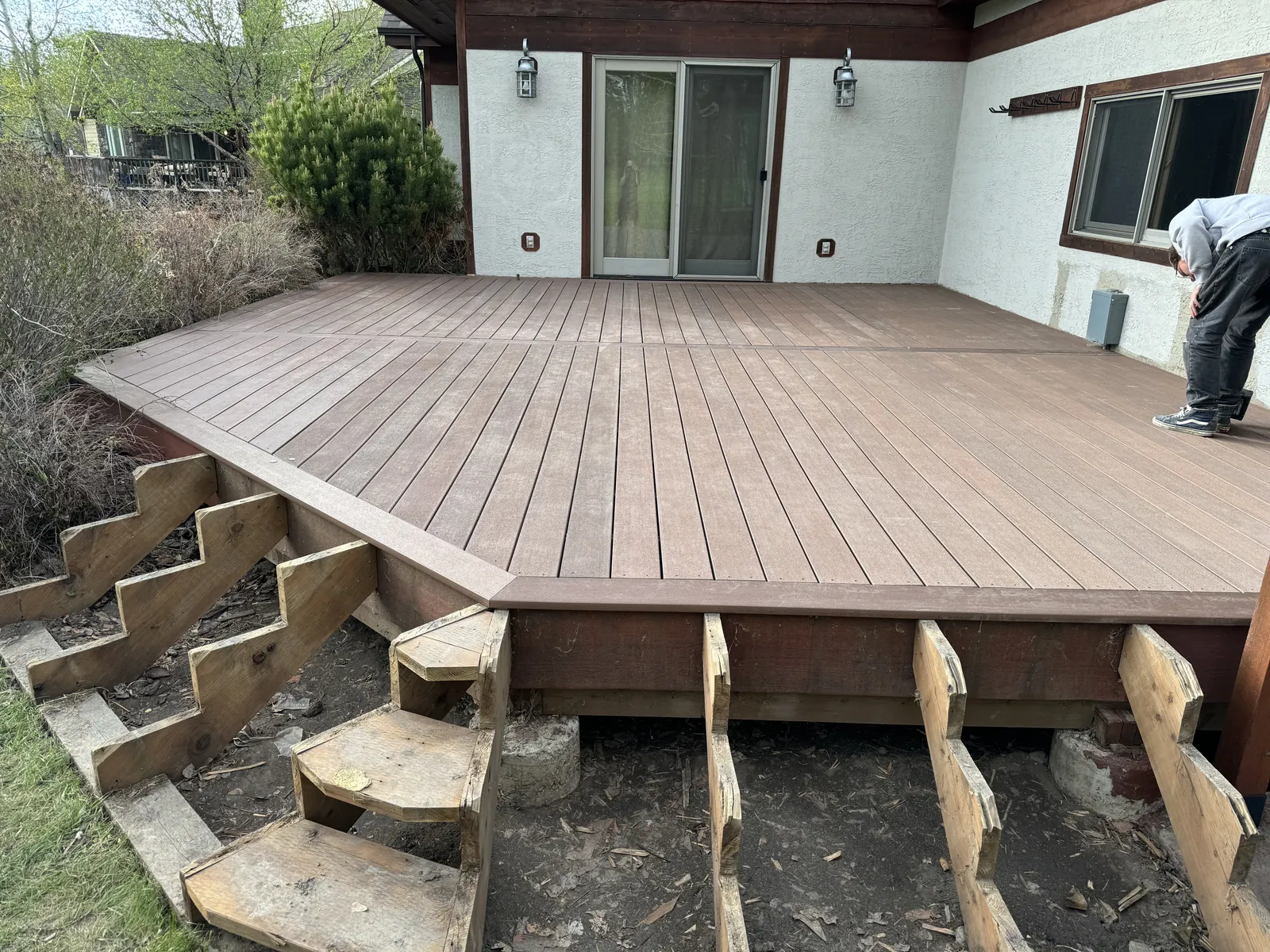
A useful deck begins with more than a footprint. It needs to support the way people enter the yard, move between indoors and outdoors, gather, cook, relax, and manage changing weather. In Bozeman, the plan also needs to account for snow, moisture, sunlight, temperature swings, and the effect of freeze and thaw cycles on exposed materials.
Zach’s Handyman builds and repairs decks and outdoor living features, including extensions, stairs, railings, pergolas, gazebos, awnings, and covered gathering areas. Whether the project starts with a damaged board or an empty backyard, the strongest plan connects the intended use with the existing home and the actual conditions on the property.
Define How the Space Will Be Used
List the activities the deck needs to support before choosing its size. A small landing for a grill has different requirements from a dining area, a place for large gatherings, or a quiet covered space used throughout the day. Furniture dimensions, door locations, traffic paths, and the relationship to the yard help turn a broad idea into a workable layout.
Plan movement before furniture
Start at the interior door and trace the routes people will use most. Leave comfortable space to reach stairs, seating, the grill, and the yard without squeezing behind chairs or crossing a cooking zone. If the deck connects more than one exterior door, decide whether both routes need equal importance or whether one should serve as the main entry.
Match the size to real activities
Measure the table, grill, seating, planters, and other large items that will live outside. Add room for chairs to pull out and for people to pass. Extra square footage can add cost and maintenance, while a deck that is too tight may never work as intended. A simple scaled sketch often reveals the right balance.
Decide Whether to Repair Expand or Rebuild
Visible wear does not always show the full condition of a deck. Surface boards may be weathered while the framing remains serviceable, or the top may look acceptable while connections and supports need attention. An inspection of the accessible structure helps define whether targeted repair, partial replacement, an extension, or a full rebuild is the sensible path.
Look beyond the walking surface
Review stairs, railings, posts, beams, ledger connections, fasteners, and areas where water collects. Movement, corrosion, soft wood, repeated staining, and loose components can point to a larger problem. Structural questions or conditions outside the visible scope may require further evaluation before repair decisions are final.
Avoid layering new work over old problems
Adding new boards, paint, or a pergola will not correct weak framing or poor drainage. Address the condition that is causing the wear first. When the underlying structure is sound, repairs can focus on damaged components, safer access, improved railings, or a finish that helps protect the wood.
Plan for Bozeman Weather
Outdoor structures spend every season exposed. The plan should move water away, leave practical room for snow management, and make routine inspection possible. Material choices matter, but details such as spacing, flashing, connections, end grain protection, and drainage often determine how well the assembly handles repeated wetting and drying.
Manage moisture and drainage
Water should not sit against the home, collect around posts, or remain trapped between connected materials. Review roof runoff, yard grading, shade, irrigation, and splashback from nearby surfaces. Covered areas also need a clear strategy for where roof water and snowmelt will go.
Allow for snow and seasonal storage
Think about where snow is pushed from stairs and walking paths. A railing, planter, or tight corner can block the easiest route. Outdoor furniture and grills may need winter storage or enough room to stay protected without closing off access. These ordinary routines should influence the layout before construction starts.
Choose finishes with maintenance in mind
Sun exposure, shade, foot traffic, and moisture affect how often a deck needs cleaning and refinishing. Ask how the selected material should be maintained and whether that schedule fits the household. Power washing, when appropriate for the surface and used with care, can support preparation and cleanup, but it does not replace repairs or proper finish work.
Build Access and Safety Into the Layout
Stairs and railings influence circulation, furniture placement, yard access, and how the deck looks from the house. Applicable requirements vary, so dimensions and connections should be confirmed for the specific property.
Place stairs where people naturally walk
Stairs should connect the deck to the part of the yard people actually use. A direct route to a gate, garden, play area, or driveway can make daily movement easier. The approach should also account for landing space, drainage, snow, and the grade at the bottom.
Treat railings as part of the design
Railings affect views, wind exposure, privacy, and the character of the home. They also use space at the perimeter. Choose their position and material with the full deck in mind, then coordinate gates, stairs, lighting, and furniture so these features do not compete with one another.
Add Shade and Shelter With a Clear Purpose
Pergolas, gazebos, awnings, and covered areas can make an outdoor space comfortable for more of the day. Study afternoon sun, weather, views, nearby windows, and existing shade before choosing their placement.
Coordinate structure and attachment details
A shade structure adds posts, beams, connections, and possible roof drainage to the project. It can also affect lighting and the way snow reaches the deck. Plan these elements together with the deck framing instead of treating shelter as a late accessory.
Keep the new work connected to the home
Proportions, rooflines, trim, colors, and materials help new work fit the home. Door thresholds, siding, windows, and roof edges all influence the connection between the interior and the yard.
Schedule Repairs Before Wear Spreads
A loose rail, damaged stair, failed finish, or small area of rot can become a larger repair when it remains exposed. Seasonal checks catch wear early. Larger projects also benefit from time to confirm scope, materials, access, and local requirements.
Planning a deck repair, extension, pergola, or covered outdoor space in Bozeman or a nearby Gallatin Valley community? Contact Zach’s Handyman at 406-224-0416 to discuss the property and the way you want to use it.
